 By Nanako Tojo
I had questions and ideas, but I couldn’t share them. Why? … I felt miserable.
This inner conversation has echoed in my mind since August 2024, when I left Japan to pursue my master’s study in higher education administration in the U.S. While scholars have worked to counter the narrow narratives, seeing international students solely as revenue sources, I want to go deeper. I want to reveal the thought processes behind my own struggles and stories, hoping to offer insights for fellow international students to thrive in a new environment and to remind higher education practitioners: we need culturally relevant support.
Academic Culture
Unlike in my country, my silence didn’t meet course engagement expectations in the U.S. Was it fear? Doubt in my ideas? My English? All of them tangled together in a knot of uncertainty. I felt miserable.
The different teaching styles overwhelmed me at the beginning of my studies. Back in Japan, I was trained to listen and to memorize lectures. But here in my graduate seminars, I’m expected to actively engage in conversations and share my opinions while ideas are still forming in my head. I’d attend classes with questions prepared, hoping to participate, but the fast-paced conversations left me second-guessing my English, my reasoning, and my place at the table. One of my strategies to address the situations is to embrace my achievements, however small they are. I realized I raised my hands more often in the latest semester than in my first semester. I also visited my academic advisor’s office hours frequently. I once shared my struggle with my academic advisor about understanding the concept of race and racism, as the topics are rarely discussed in Japan. Instead of dismissing my concern, my advisor brought me scholarly articles on racism in Japan. Immediately, the concept became more concrete as it was connected to something I am familiar with. This experience perfectly exemplifies how the gesture of culturally relevant pedagogy and advising could greatly support students in navigating the academic environment.
Identity Development
Where do I fit in conversations about sexual orientation? I’m not even sure I fit into the concept itself. If I tried to explain it back home, the conversation would require more translation and explanation. That feels exhausting!
I had known the concept of sexual orientation since I was in Japan, but it was only after coming to the U.S. that I studied it as a part of identity developmental theory. It was difficult for me, at the time, to understand why those with marginalized identities often carry the burden of explaining themselves or educating others about their own existence. Then, I learned about intersectionality, and something clicked! My identity as a woman and a Japanese both asked me to be obedient and quiet. Adding to that, my status as an international student created another layer of difficulty in speaking up as I navigated through the differences in language, culture, and teaching styles. Understanding the concept of intersectionality didn’t magically give me a voice, but it provided me with a clue to understand my behavior, to cope with my emotions, and to seek help.These deep reflections through a culturally relevant lens presented such a strong tool to enhance the inner conversation reasoning with my own challenges.
Final Thoughts
Are my inner conversations worth sharing? … They are. And, I want to share!
It took me a while to decide whether I should write this blog. For a long time, I think that my inner conversations were just excuses for me not trying hard enough. What encouraged me was a dialogue about confidence with my academic advisor: When you are making genuine efforts, confidence is appropriate. I also realized that I am not alone while reading other international students’ voices. As I shared mine, I hope my inner conversations reach other international students who are still finding their footing, reminding them that their struggles are real. And to the higher education practitioners, both faculty and staff: We do not just need accommodations; we need someone to understand the importance of culturally relevant support in practice.
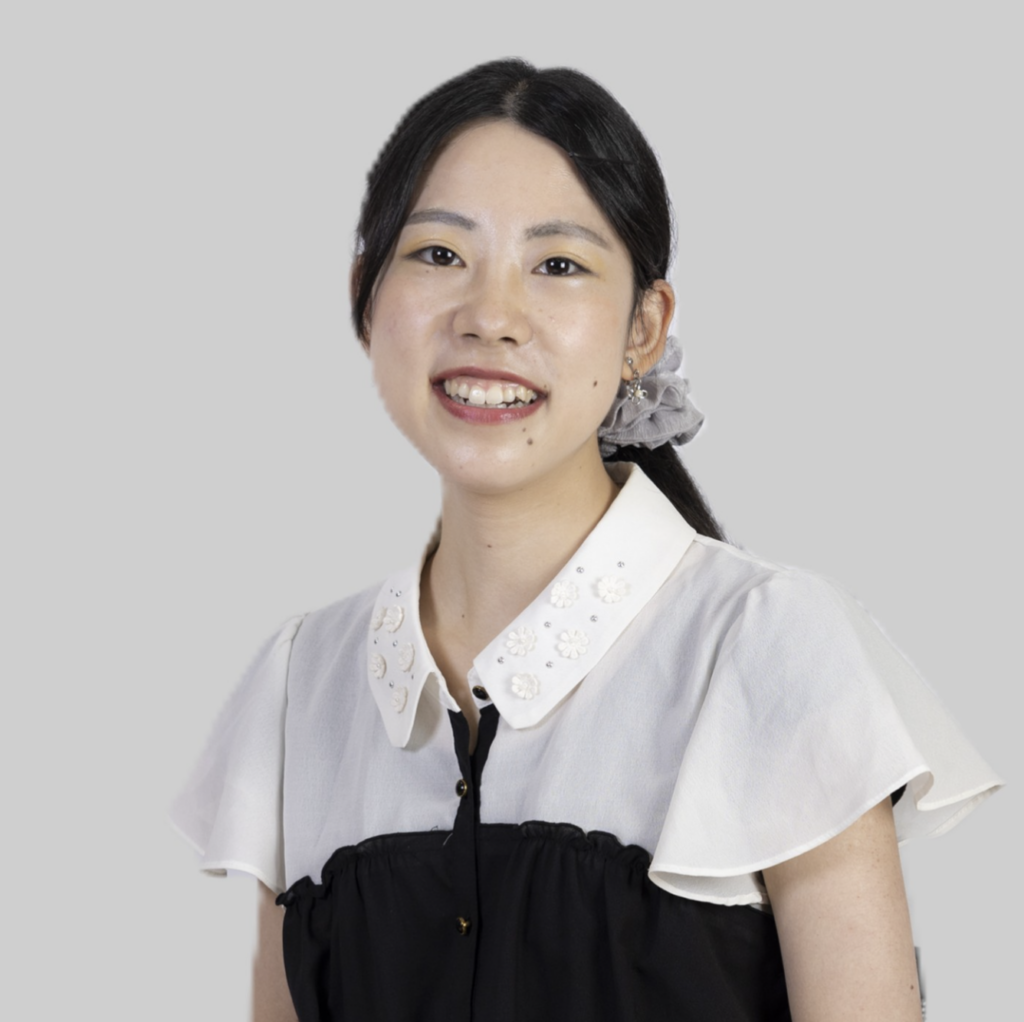
Nanako Tojo is a master’s student at the George Washington University pursuing the Higher Education Administration Program.
