By Nanako Tojo
In March 2026, I participated in a week-long study abroad program in Spain while pursuing a Master’s degree at a U.S. university away from my home country, Japan. Among ten graduate students in the program, I was the only international student. This blog uses dialogic self-reflection to reveal the intersectionality within the meaning-making process of an under-researched experience: a student studying at a higher education institution outside their home country who joins a study abroad program in a third country.
Three Contexts: Rethinking Higher Education Beyond East-West Binaries
I registered for the study abroad course because I wanted to learn how Spanish universities support international students with diverse identities as they navigate different demographic contexts. To my surprise, I found that many aspects of the Spanish higher education system resembled Japan more than the U.S. For example, like Japanese universities, universities in Spain have much smaller student affairs offices than American institutions, encouraging students to explore opportunities and navigate challenges independently. This similarity helped me quickly build an initial understanding of the structure of Spanish higher education.
Throughout the program, I not only learned about Spanish higher education, but I also deepened my understanding of Japanese and U.S. higher education. To be clear, universities in Spain and Japan operate differently when you look closely. Nonetheless, the similarities outweighed the differences and dismantled the binary thinking in my mind that divided the higher education world into either Western or Eastern. As I encountered vast differences between U.S. and Japanese higher education in my graduate studies, I assumed universities in the Western world, including both the U.S. and Europe, operated similarly and set a “standard” for the Eastern world. However, the program helped me focus more on the uniqueness of each country’s higher education system and become more critical of international comparisons.
Three Languages: Navigating the Cognitive and Emotional Labor of Multilingual Life
I was also excited about opportunities to practice the Spanish language. The program’s primary language of instruction was English, and I had several chances to speak Spanish with native speakers and some of the cohort members. At the same time, I used Japanese to organize my thoughts, since I sometimes struggle to express them in English. This meant I was constantly switching between three languages throughout the trip.
While every interaction, whether in English or Spanish, was insightful, the cognitive load of processing English, Spanish, and Japanese was exhausting. I grew increasingly frustrated at being unable to communicate in my first language. Jet lag intensified my mental fatigue, compounded by ongoing concerns such as navigating my post‑graduation visa process.
On the third day, I felt I couldn’t have lunch with my cohort members because my ability to listen and speak English was worse than it had been during my one-and-a-half-year graduate study. The quiet lunchtime alone, when I talked to myself in Japanese, helped me regulate my emotions and attend afternoon site visits. In the evening, I stayed in a hotel room to journal my feelings even though I knew my cohort was having a fun time together. I shared the challenge of navigating three languages with my classmates and chaperones in English during the mid-trip group check-in. Thanks to their understanding, I felt supported, continued practicing Spanish, and completed the full itinerary.
Implications for Practice
My reflection illuminates the unique study abroad experience of students who enroll as international students at their institutions and offers a few implications for professionals to support them. First, understanding the systemic issues they face is essential. Visa concerns about staying in the U.S. and traveling to another country are inseparable from their daily lives. The visa restrictions prevent them from exploring a wide range of job opportunities to cover additional expenses for studying abroad. Detailed information on visas related to international travel and financial aid provided before travel will reduce concerns.
Second, frequent check-ins during travel help identify and address the challenges students face. I could share my issue in a group check-in, but it might not work for all students or situations. Various types of check-ins, such as group check-ins and one-on-one conversations, are necessary so that students can share their feelings openly. Check-ins during travel are also educationally meaningful, allowing students to reflect on their experience so far and clarify their goals for the rest of the program.
International students at U.S. universities and colleges already experience battling language and cultural barriers. However, this does not mean they won’t encounter further challenges when joining another study abroad program in a third culture. Rather, their challenges are unique and need careful attention. Educators can enhance their learning experience and help them make unique contributions by utilizing a multicultural perspective.
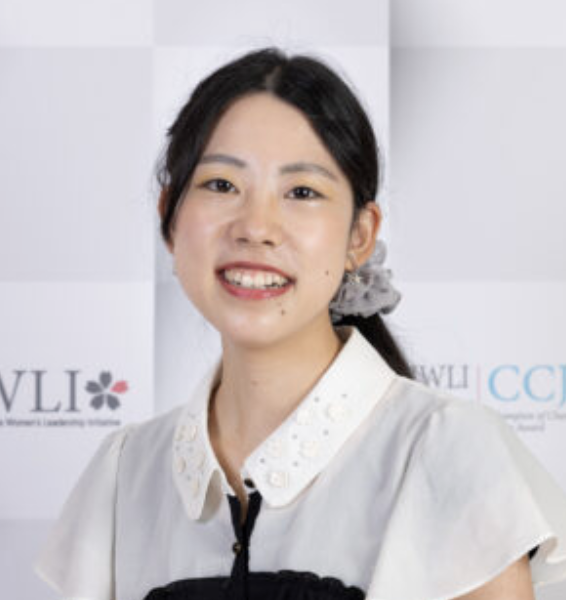
Nanako graduated with an MA in the Higher Education Administration Program at The George Washington University in May 2026. Her research focused on international students’ experiences and study abroad from an equity perspective. She currently works for a DC-based nonprofit organization in international higher education and directs a global leadership program in the U.S. for university students in Japan, including those enrolling in a Japanese university as international students.
